
Adaptive Game Design in Casino Gaming: How Real-Time Player Behavior Is Shaping Gameplay in 2026
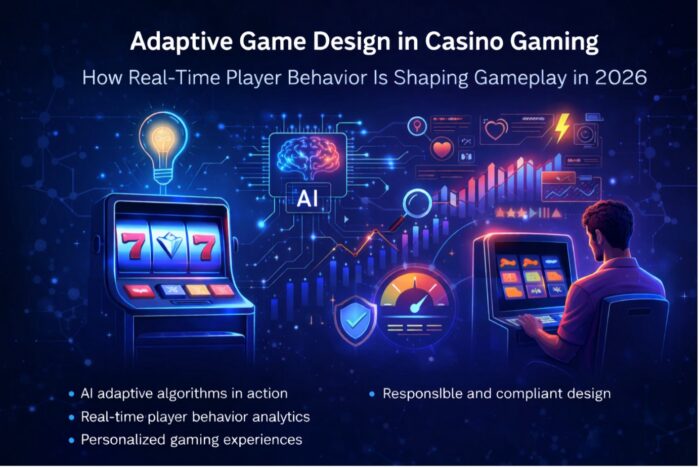
Adaptive Game Design in Casino Gaming is no longer an experimental concept; it has become a strategic necessity in 2026. As player expectations evolve across regulated markets in the United States, Europe, and emerging iGaming jurisdictions, static casino games are struggling to sustain engagement. Today’s players expect games to respond intelligently to their behavior, preferences, and play patterns in real time.
Why Adaptive Game Design in Casino Gaming Matters Now
Driven by advances in AI, behavioral analytics, and modular game architectures, adaptive game design is reshaping how casino games are built, tested, and optimized. Instead of one-size-fits-all mechanics, modern casino games are becoming dynamic systems, capable of adjusting pacing, features, and engagement flows while remaining compliant and fair.
What is Adaptive Game Design in Casino Gaming?
Adaptive game design refers to the ability of a casino game to dynamically adjust gameplay elements based on real-time player behavior, without altering regulated parameters such as RTP or fairness models.
Key adaptive elements include:
- Game pacing and session flow
- Bonus feature frequency and sequencing
- Visual and audio feedback intensity
- UI complexity and navigation cues
- Difficulty perception in skill-influenced games
Unlike traditional personalization, adaptive design operates during gameplay, not just before or after a session. This shift transforms casino games from static products into living, responsive experiences.
The Technology Powering Adaptive Casino Games
At the core of adaptive game design is a sophisticated technology stack designed to process and act on player data instantly.
Real-Time Player Behavior Analytics
Modern casino games collect anonymized telemetry data such as:
- Session duration
- Bet size changes
- Feature interaction frequency
- Pause, exit, and re-entry behavior
These signals help identify player intent, whether a user is exploring, engaged, fatigued, or disengaging.
AI and Machine Learning Models
AI-driven casino game design uses machine learning to detect patterns across thousands of sessions. These insights enable:
- Predictive engagement modeling
- Dynamic feature sequencing
- Personalized difficulty perception (without changing odds)
Importantly, these systems are designed with explainability, ensuring compliance with gaming regulators across the US and Europe.
Modular Game Architectures
Adaptive design depends heavily on modular, configurable game engines. These architectures allow studios to:
- Swap or reorder features dynamically
- Enable LiveOps-driven updates
- Test multiple engagement paths without rebuilding games
How Adaptive Game Design Enhances Player Experience
Personalized Engagement Without Compromising Fairness
Adaptive game design does not change outcomes, it changes how players experience the journey. By responding to player behavior in real time, games feel more intuitive and less repetitive.
For example:
- A cautious player may experience clearer UI cues and slower feature introductions
- A high-engagement player may see faster transitions and deeper bonus paths
This player-centric casino game development approach improves satisfaction while maintaining regulatory integrity.
Reduced Player Fatigue and Churn
Static games often lose players due to overstimulation or monotony. Adaptive systems monitor engagement signals and adjust:
- Visual intensity
- Audio feedback
- Feature frequency
The result is longer, healthier play sessions and improved retention.
Adaptive Game Design and Responsible Gaming
One of the most critical benefits of adaptive game design in casino gaming is its role in responsible gaming frameworks.
Adaptive systems can:
- Detect early signs of fatigue or disengagement
- Trigger cooling-off cues within gameplay
- Modify session pacing to reduce impulsive behavior
In regulated markets like the UK, US, and parts of Europe, these capabilities are increasingly aligned with regulatory expectations around player protection and ethical game design.
Implications for Game Studios and Casino Operators
For Game Development Studios
Studios must rethink how games are engineered:
- Designing for configurability, not fixed logic
- Building AI-ready telemetry pipelines
- Integrating adaptive testing into QA workflows
This shift favors gaming services studios with deep expertise in AI, automation, and scalable game engineering.
For Casino Operators
Operators benefit from:
- Higher player lifetime value
- Better segmentation without manual intervention
- Faster optimization across markets
Adaptive games also reduce dependency on constant new game launches by extending the lifecycle of existing titles.
Challenges and Considerations
While powerful, adaptive game design requires careful execution.
Key challenges include:
- Ensuring regulatory transparency across jurisdictions
- Avoiding over-personalization that feels intrusive
- Balancing engagement optimization with ethical design
- Maintaining consistent performance across devices and platforms
Successful implementation demands close collaboration between game designers, data scientists, compliance teams, and QA specialists.
The Future of Adaptive Game Design in Casino Gaming
Looking ahead, adaptive game design will evolve from reactive systems to predictive engagement engines. Future casino games will:
- Anticipate player needs before disengagement occurs
- Seamlessly adapt across mobile, desktop, and land-based channels
- Integrate LiveOps, AI testing, and behavioral analytics into a unified game lifecycle
As competition intensifies across global iGaming markets, adaptive design will separate high-performing games from those that fail to retain modern players.
A Shift from Static Games to Intelligent Experiences Ahead
Adaptive Game Design in Casino Gaming represents a fundamental shift in how casino games are conceived, built, and experienced. By combining AI-driven insights, real-time analytics, and modular architectures, game developers and operators can deliver experiences that feel responsive, responsible, and future-ready.
In 2026 and beyond, the most successful casino games won’t just look good, they’ll listen, learn, and adapt. Connect with FuzionX Gaming Studio™ casino gaming experts to transform today’s gaming experiences for the next generation of players.
Frequently Asked Questions
-
What is adaptive game design in casino gaming?
Adaptive game design uses real-time player behavior data to dynamically adjust gameplay elements such as pacing, UI, and feature sequencing without altering fairness or RTP. -
Does adaptive game design affect game outcomes or odds?
No. Adaptive systems enhance the player experience while keeping regulated parameters like RTP and randomness unchanged. -
How does AI support adaptive casino games?
AI analyzes player behavior patterns to optimize engagement flows, detect fatigue, and personalize gameplay experiences responsibly. -
Is adaptive game design compliant with gaming regulations?
Yes, when implemented with transparency, explainable AI models, and strict adherence to jurisdictional regulations. -
Why is adaptive game design important for 2026 and beyond?
Because modern players expect intelligent, responsive experiences. Adaptive design improves retention, player satisfaction, and long-term game performance.